
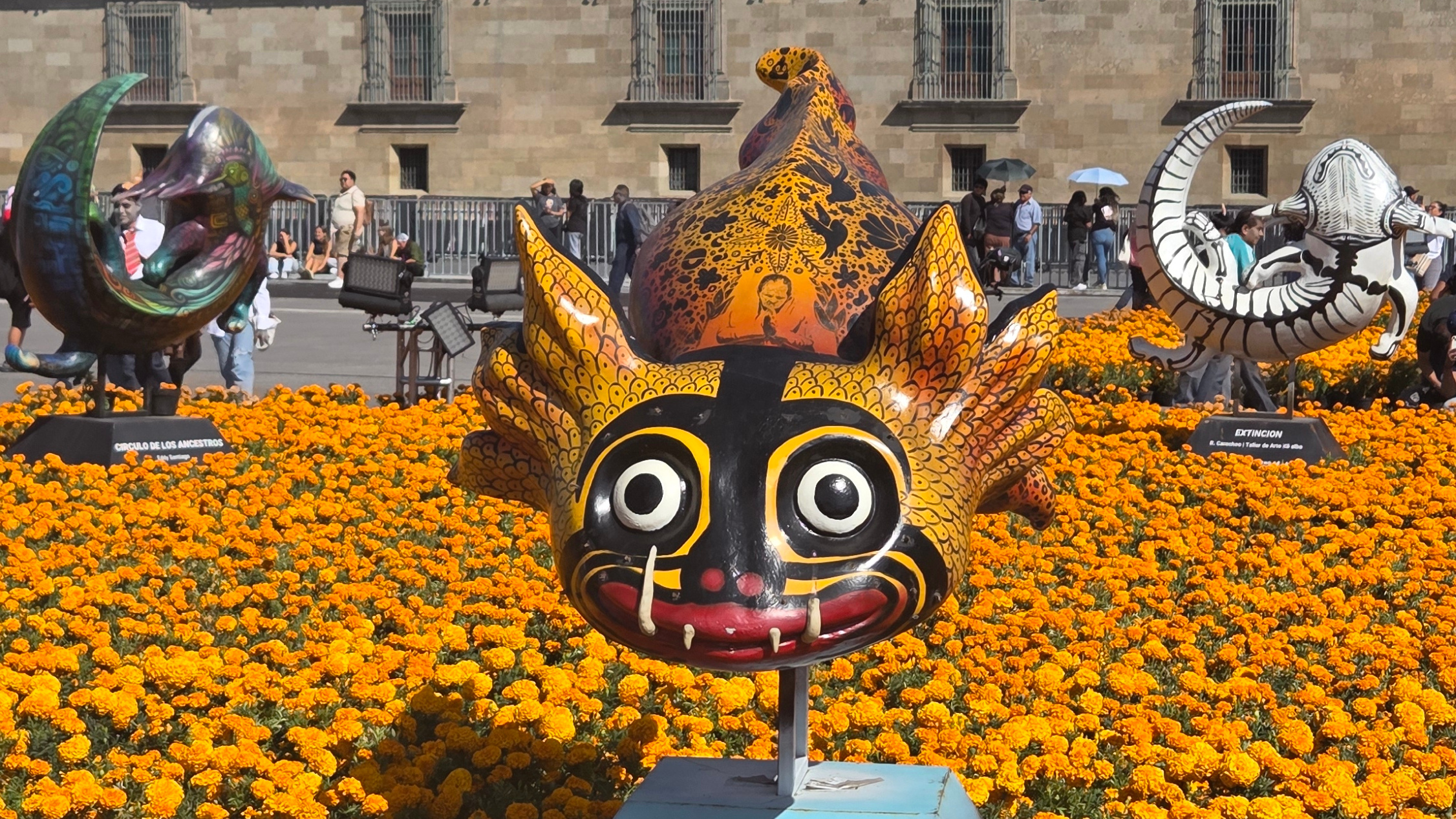
Axolote Sprint 2026: Ploneing in Oaxaca
What happened at the Axolote Sprint 2026 in Oaxaca: Aurora, Nick, Foundation work, and my contributions during the week.
The Axolote Sprint 2026 took place from 26 to 30 October 2026 at the Unidad de Extensión Universitaria Oaxaca, part of UNAM, in Oaxaca, Mexico. Nine people attended in person and five joined remotely. The sprint is named after the axolotl (axolote in Spanish), the salamander native to the waters of Xochimilco.
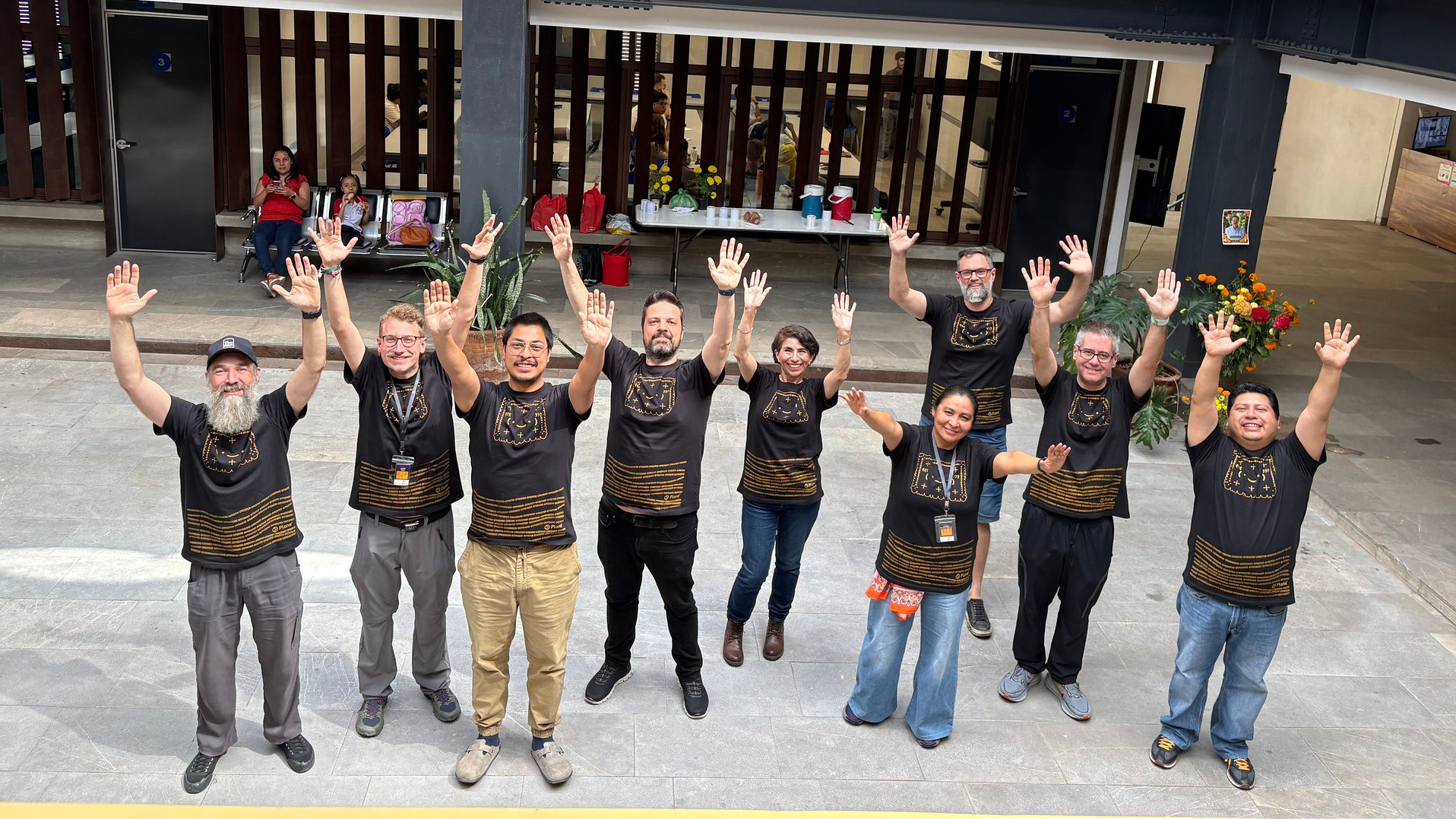
Each day started with a standup and ended with a second round where everyone reported what they had done. This post summarizes those reports and then lists my own contributions during the week.
What the group worked on
Aurora and Volto
- Víctor Fernández de Alba finished the @blocks-schema endpoint, which describes each block available on a site, with its schema and documentation, so that tools and language models can learn how to use it. The endpoint shipped in Volto 19.6.0 and was merged in Aurora too. He also worked on the deployment of the Aurora demo site and on a types control panel shared by Aurora and Volto, and released Aurora 1.0.0-alpha.20.
- Piero Nicolli merged the refactoring that registers @plone/components in the registry, reviewed and merged the password reset feature, and reviewed the search view, listing block and translations pull requests for Aurora.
- Dante Álvarez worked on the theming story for Aurora: a theme built on a token system, where switching themes means switching tokens. A first iteration was close to being merged by the end of the week.
Nick
Rob Gietema merged the pending pull requests on Nick, the Nearly Headless CMS, and worked on a new release. @plone/nick 3.0.0 was published on npm on the last day of the sprint.
Plone Foundation and community
- Jakob Kahl prepared and submitted plone.restapi to Anthropic's open source vulnerability scanner program, handled incoming security reports, and set up an Aurora development environment.
- Steve Piercy submitted the STA Tech Fund grant application, started the NLnet application, published an update to the event sponsorship policy, and published the FY26 Q3 financial statements.
- Brian Davis migrated The Plone Podcast from Buzzsprout to RSS.com, published the World Plone Day 2027 page, and started organizing the renewal of the Plone accessibility team, with a meeting planned for the Cerrado Sprint.
- Astrid Beyers sent the Plone Newsletter, ran the sprint social media posts, and held working sessions on case studies for the new plone.org.
- Kim Nguyen updated Plone in a Box to deploy current Plone and Volto on AWS and Linode.
- Armin Stroß-Radschinski presented a workflow for writing case studies for the new plone.org with AI assistance.
UNAM team
Gil Bautista, Adriana Ramírez and Mónica Leñero added Spanish translations to collective.techevent and collective.person, tested the new attendee registration in collective.techevent, tested collective-certificates, and created Aurora sites with Cookieplone.
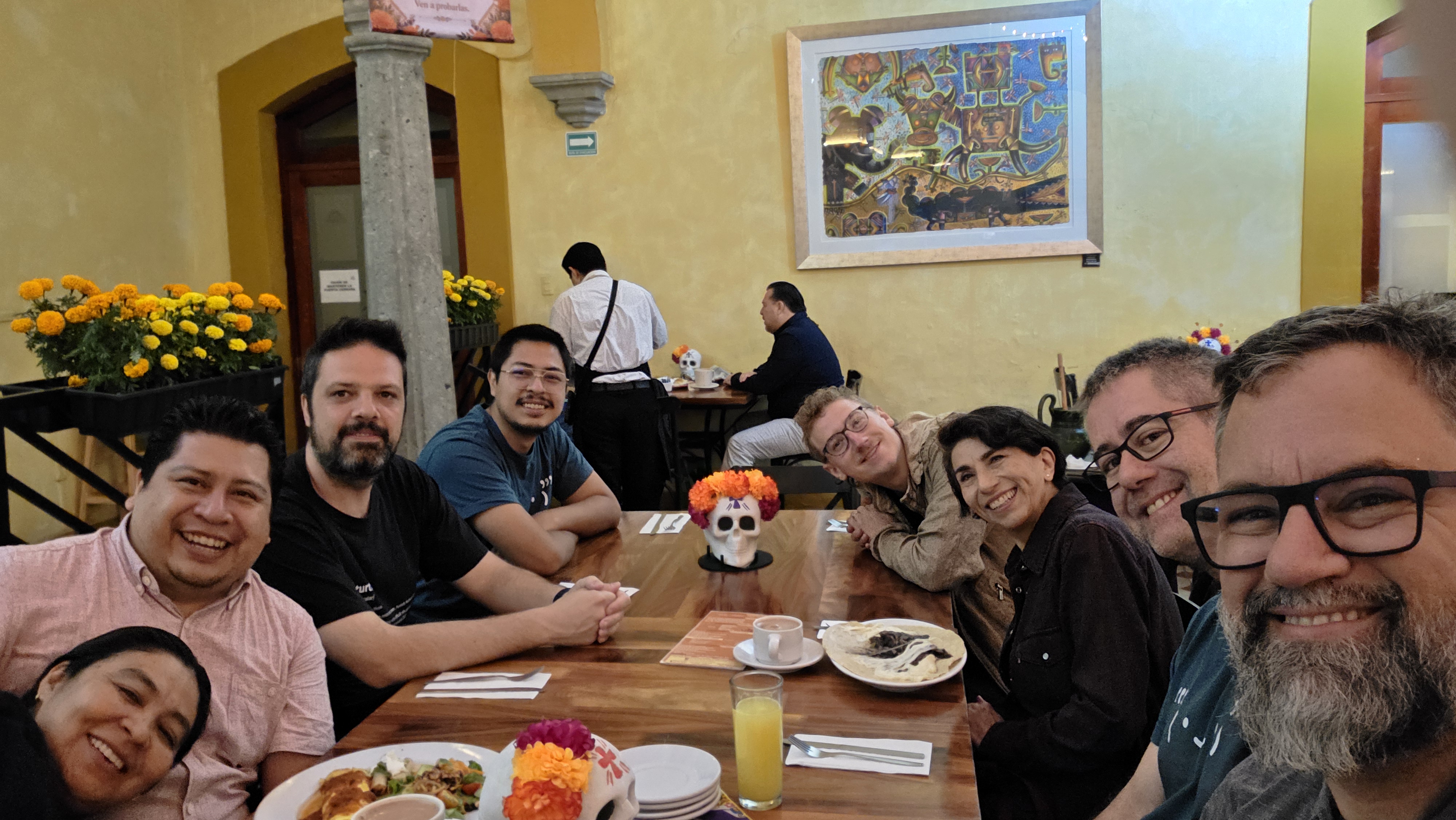
My contributions
plone-client
plone-client is a Python client for plone.restapi, with a command line interface and an agent skill. Its API follows @plone/client, the JavaScript client in the Aurora monorepo. During the sprint:
- The repository went public under the plone organization, with documentation published at plone.github.io/plone-client.
- Method names were aligned with the verbs of @plone/client, and the documentation includes a table mapping all 100 functions of the JavaScript client to their Python counterparts.
- A new MCP server (plone-client mcp) offers high-level operations, such as creating a page from Markdown, creating content with attached files and a lead image, and uploading a folder tree. It works with several sites at once and covers block-by-block editing, workflow, vocabularies, translations and working copies. It can also be served over HTTP, protected by a bearer token.
- The client supports Volto's new @blocks-schema endpoint, so an agent can ask a site which blocks exist and what data each one takes. MCP resources expose site information, content, types and blocks.
- Three alpha releases went out: 1.0.0a1, 1.0.0a2 and 1.0.0a3.
I also wrote a post about plone-client during the sprint.
collective.html2blocks and collective.transmute
collective.html2blocks converts HTML into Volto blocks. It is used by plone-client and by collective.transmute, our migration tool. Changes during the week:
- Markdown as an input format, in the Python API, the command line and the HTTP service.
- Python 3.14 support. The command line and the HTTP service moved into optional extras, so the base install is smaller.
- A new blocks setting to enable, disable and configure each block type. Code in <pre> elements and Markdown code fences can become codeBlock blocks, Google Maps embeds become maps blocks, and Vimeo and YouTube embeds become video blocks.
- Releases 1.0.0a8, 1.0.0a9 and 1.0.0b1. The test suite grew from 936 to 1,174 tests.
collective.transmute can now read this blocks setting from its transmute.toml file, and plone-client exposes it as a profile setting and per call.
ploneasgi and a live news demo
ploneasgi runs Plone under an ASGI server, with support for streaming downloads and websockets that have access to the ZODB and to Plone permissions.
- Native HTTP handlers now run inside a single authenticated context: one thread hop, one database connection and one authentication per request, instead of two. In a local benchmark (Apple M1 Pro, 4 workers), throughput for a simple route went from 1,435 to 2,324 requests per second.
- Websocket routes can now refuse a connection either by rejecting it (HTTP 403) or by accepting and closing it (code 1008).
- Updated to Plone 6.2.2, with documentation published at simplesconsultoria.github.io/ploneasgi.
To show what this makes possible, I built asgi-demo, a live breaking news site. Editors add updates to a story, and readers see them appear without reloading the page. The stack runs Plone on PostgreSQL 18 with zodb-pgjsonb, blobs on S3-compatible storage, plone.pgcatalog, and PostgreSQL LISTEN/NOTIFY to fan out updates across backend replicas. With two backends behind Traefik and four connected readers, a new update reached all four in 74 ms.
Comparing storage backends
Building on the same stack, I wrote a benchmark that compares FileStorage, ZEO, RelStorage, zodb-pgjsonb, plone.pgcatalog and S3 blobs. Every backend runs the same workload on 4,500 items: populating a site, reading, a mixed read and write load, and catalog maintenance. The full run took place on a CPU-optimized cloud machine. Along the way, the work produced three reports to upstream projects:
- bluedynamics/zodb-json-codec#67: pytz.UTC is converted to datetime.timezone, which breaks recurrence indexing in plone.event.
- bluedynamics/plone-pgcatalog#284: reindexIndex() does nothing for indexes stored in dedicated columns, such as SearchableText.
- A comment on bluedynamics/plone-pgcatalog#279 about clearFindAndRebuild cataloging tools.
Adopting @blocks-schema in add-ons
Once Volto 19.6 shipped the @blocks-schema endpoint, I upgraded several add-ons to it and documented each of their blocks, so the endpoint returns useful information for them:
- collective.casestudy (released 2.0.0a5)
- collective.techevent
- plonegovbr.socialmedia (released 3.1.0)
- volto-social-blocks (14 blocks, released 1.1.0)
- sc.videos (released 1.0.0a5)
- sc.voltolighttheme
- sc-eprocessos
Each add-on now has a test that checks the documentation against the block schema, so the two cannot drift apart. The work also uncovered, and fixed, two bugs where a block was offered on the wrong content type.
collective.techevent
collective.techevent is the add-on behind the Python Cerrado and Plone Conference sites. Gil and Adriana tested each change along the way:
- Schedule fixes: full-day trainings are now split around breaks, breaks and meetings render as slots, and the schedule grid no longer drops rows after lunch. Released as 1.0.0b5.
- Fixes for deleting a presenter referenced by a session, for empty values breaking the session JSON, and for missing add permissions inside a Tech Event.
- Attendee self-registration without Products.membrane (#48): a registration block, registration codes, email confirmation, a registration deadline, and a management view for organizers. The work is in a draft pull request, #52, still under review.
collective-certificates
collective-certificates is a new add-on to issue certificates, for example to people who attended an event. It includes:
- Certificate templates designed in Volto, with a background image and positioned text and image elements.
- A public verification page at /verify/<uid>, printed on each certificate.
- Bulk creation of certificates from a CSV file.
The initial version was pushed to the collective organization on the last day of the sprint.
Container image and documentation for Nick
With Nick 3.0.0 on npm, I created the plone/container-nick repository and published the plone/nick image on Docker Hub, for linux/amd64 and linux/arm64. I also added a page about the image to the Plone documentation (plone/documentation#2119).
Plone Foundation infrastructure
As part of the AI Team, I worked on retiring an old server that still hosted archived static sites. Old versions of docs.plone.org, past training sites and past conference sites moved to Cloudflare R2, and retired hostnames now redirect from the Plone cluster. Each bucket was checked against the original files, and every link the old server answered was replayed against its new location. Folders no longer served were copied to a private archive bucket.
While doing this, we also found an expired TLS certificate on plone.org.br and fixed it. The cause was a misconfigured certificate resolver combined with an invalid DNS API token.
Smaller items
- plone.restapi: a fix for TUS uploads that reported success when they had failed (#2075, fixed in #2076).
- pas-plugins-identity: a new setting to choose which headers carry the client IP address, used by the audit log and the magic link rate limit (#148).
- plone.org.br: a news item about the plone-client release, and a case study for the Instituto de Matemáticas of UNAM, which has used Plone since 2006.
- Python Cerrado 2026: the site moved to the new collective.techevent release, the talks were synchronized from Pretalx with plone-client, and the social media campaign for the talks was scheduled.
Releases during the week
| Package | Versions |
|---|---|
| plone-client | 1.0.0a1, 1.0.0a2, 1.0.0a3 |
| collective.html2blocks | 1.0.0a8, 1.0.0a9, 1.0.0b1 |
| collective.techevent | 1.0.0b5 |
| collective.casestudy | 2.0.0a5 |
| plonegovbr.socialmedia | 3.1.0 |
| volto-social-blocks | 1.1.0 |
| sc.videos | 1.0.0a5 |
| sc.voltolighttheme | 1.0.0a13, 1.0.0a14 |
| plone/nick (container image) | 3.0.0 |
Tourism and culture
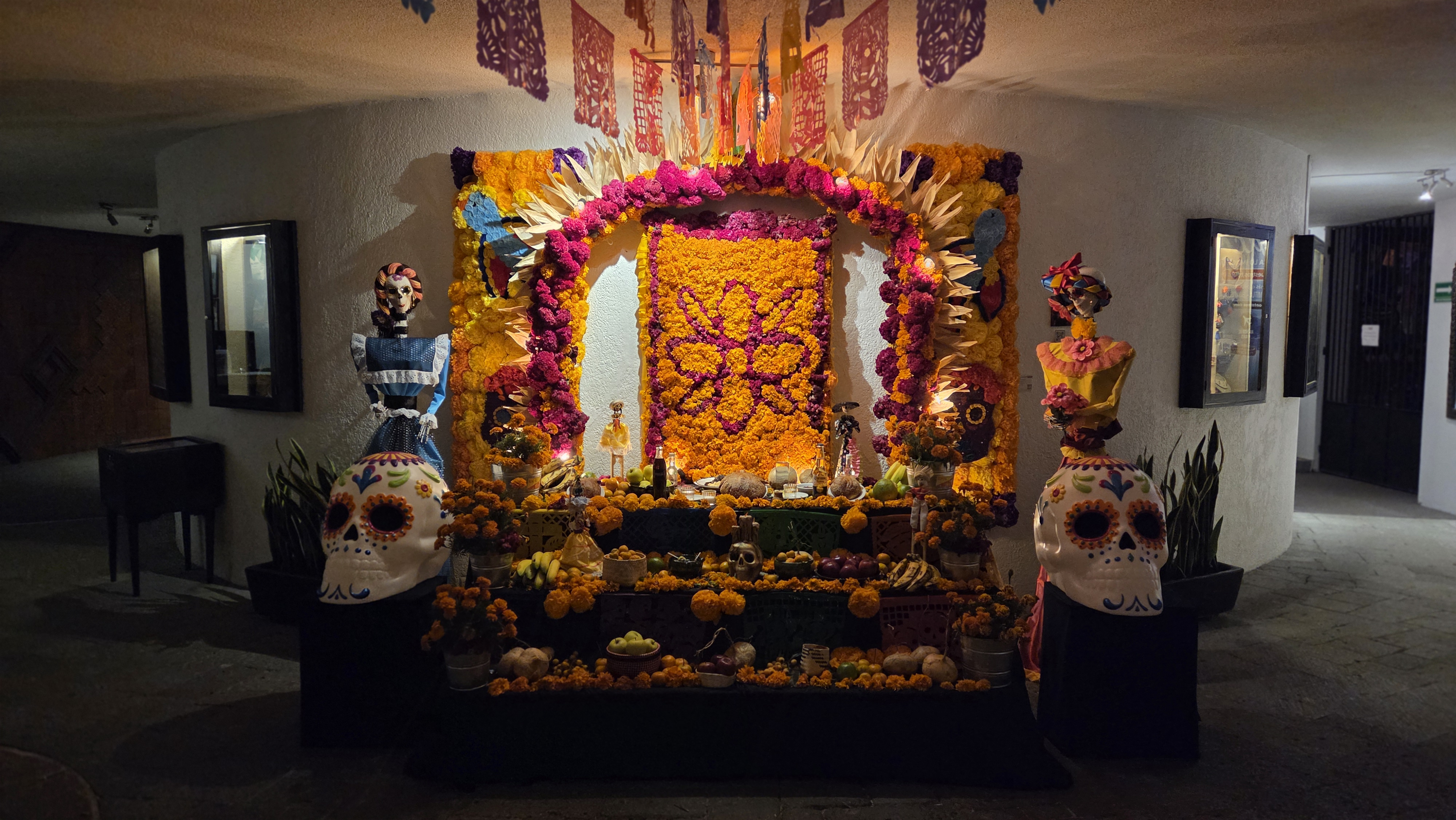
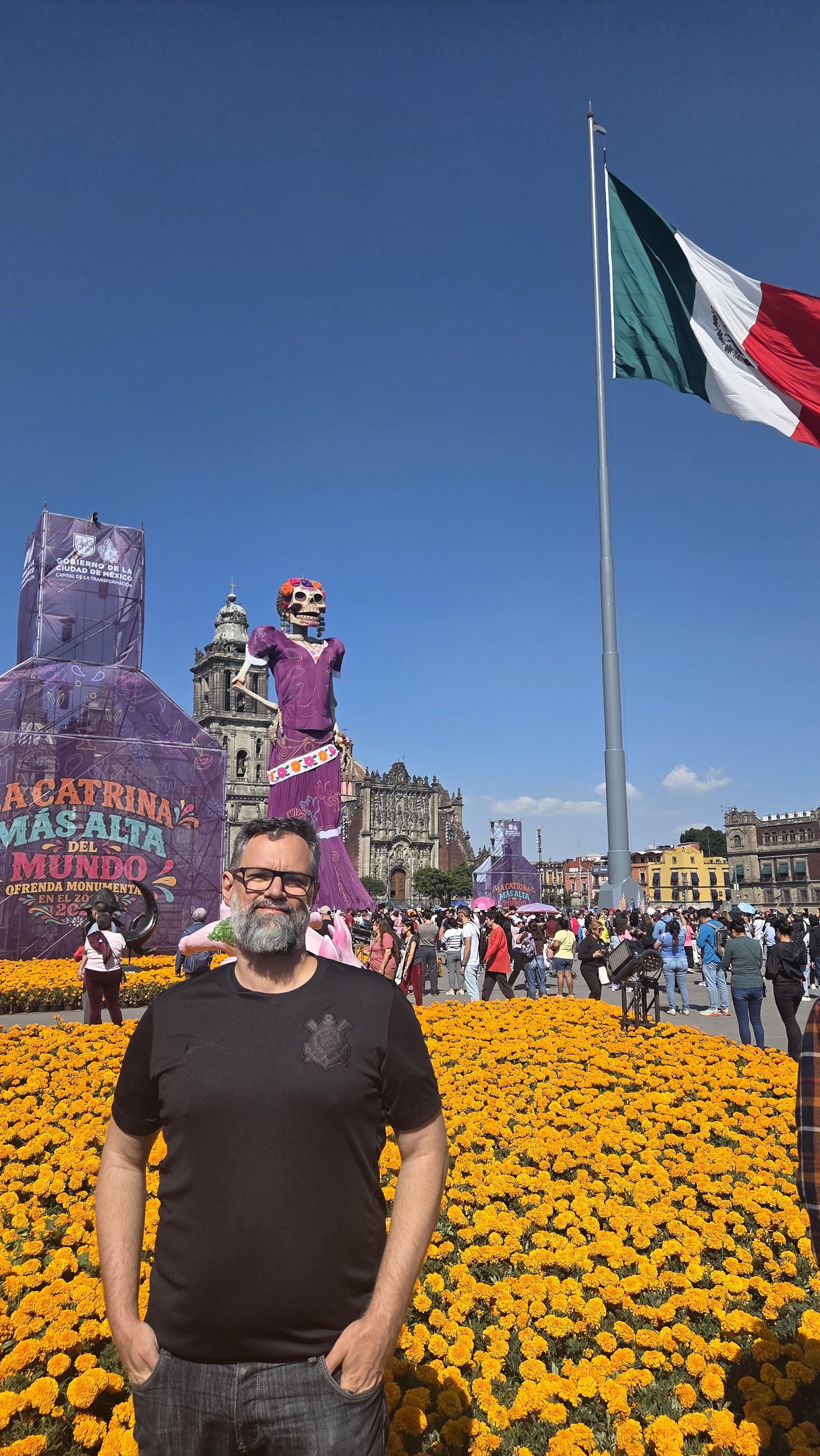
Gil and Adriana scheduled the sprint right before Día de los Muertos, which gave us an unforgettable cultural experience. Oaxaca, and later Mexico City, were fully decorated, and the celebrations filled the streets.

Even More Photos
Photos of the sprint are in the Plone Foundation Flickr album.