
The Constant Called Juventus
After 18 years of waiting, the Moleque Travesso is back. A confession about Sebastianism and the irrational love of a neighborhood club.
I'm Brazilian, and I know it's impossible to talk about soccer in a rational, detached way. Whatever turns a person into a fan strips every last drop of rationality from a conversation, and for years I thought this was a Brazilian trait — maybe Latin American — but my years in Berlin, and my friendship with Timo Stollenwerk, showed me that soccer's irrationality is a global constant.
One of the most interesting facets of this "insanity" is the Sebastianism that surrounds the fan's relationship with the mythical figures of their club's history — the Portuguese-Brazilian word for the messianic belief in the return of a vanished king, named after Dom Sebastião, the Portuguese monarch who disappeared in battle in 1578 and whose return generations of his subjects awaited. After 2016, Corinthians went through dozens of head coaches, and despite occasional successes, none of them stuck. After the 2022 World Cup, every new coach had to live in the shadow of Tite — who had left Corinthians in 2016 to take over the national team — with many Corinthians fans looking at him as the savior who would lead the club back to its glory days.
Dom Candinho da Mooca
But my own intimacy with this modern Sebastianism long predates the Tite/Corinthians story. I was born in Mooca, a working-class, traditionally Italian-immigrant neighborhood in central São Paulo, and grew up cheering for Clube Atlético Juventus — the Moleque Travesso (the "Mischievous Boy"), our small neighborhood club, not to be confused with the Italian giant. From the stands, I watched my fellow supporters respond to every frequent defeat with the same wish (or prophecy): that coach Candinho had to come back, so we could repeat our historic 1983 Brazilian second-division title.
The truth is that the 1983 title made Candinho bigger than our club could hold. Not content with being the Dom Sebastião of Juventus, he claimed the same messianic role at Portuguesa — another São Paulo club, just three kilometers from us — when he led them to a runner-up finish in the 1996 Brazilian championship. Candinho coached Portuguesa three more times after that, and for years, every crisis there summoned his name back into the conversation.
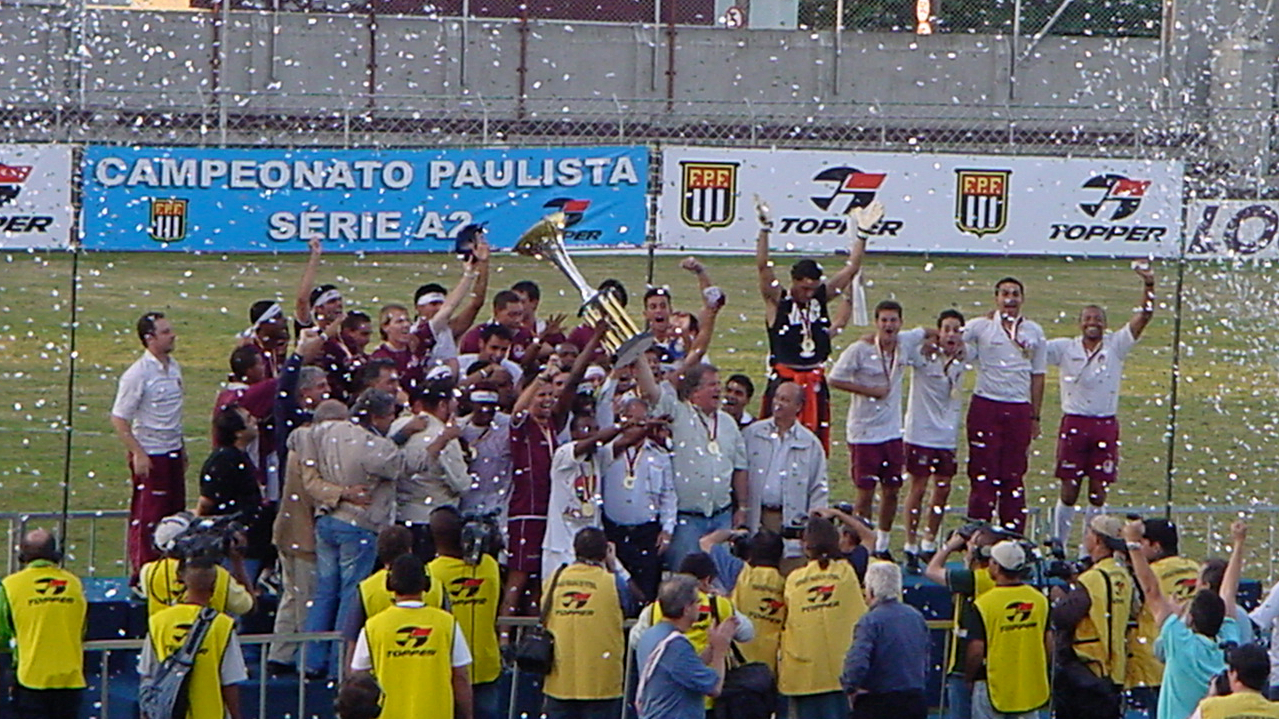
Devotion to Candinho lasted until 2005, when we won the second division of the São Paulo state championship. It wasn't a national title, but for a club that loses more games than it wins, every trophy is cathartic. I remember my disbelief at the final whistle, the slow realization that — finally — we had done it.
Heading to Tokyo
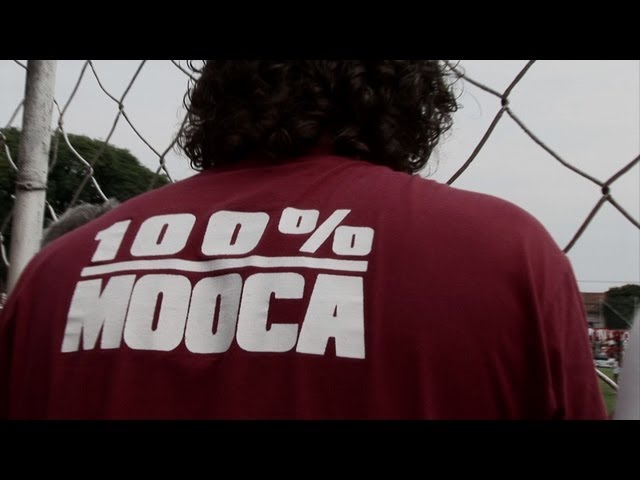
Two years later we lifted another trophy. Another minor state competition, but imagine: in the span of two years, I had watched the team I loved win twice. The running joke among supporters was that this 2007 cup was our first step toward the Intercontinental Cup, because winning that tournament earned the champion a spot in the following year's Copa do Brasil; the Copa do Brasil champion qualified for the Copa Libertadores; and back then, the Libertadores winner played FIFA's Intercontinental Cup in Tokyo. The joke even became a documentary: Juventus, rumo a Tóquio — "Juventus, on the road to Tokyo."
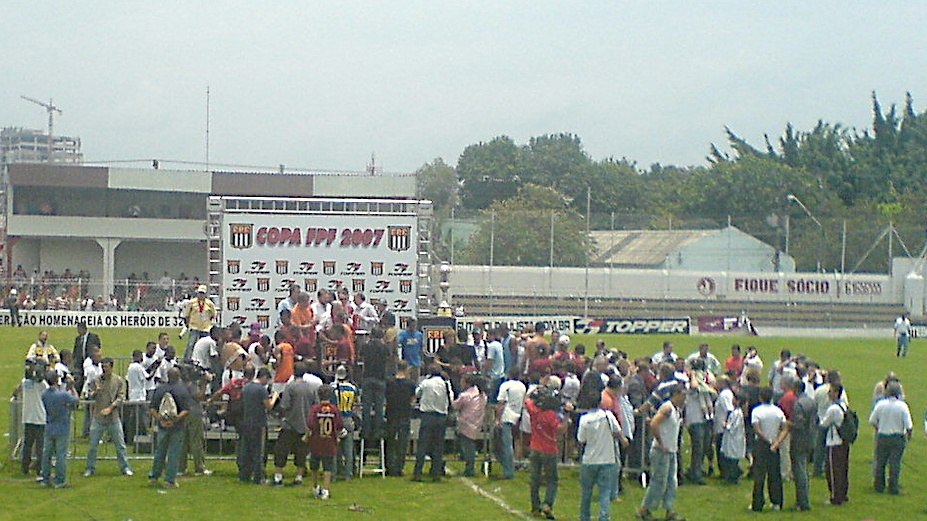
It felt like we were on the right track, that a stretch of glory might be coming — or at least fewer defeats.
Reality check
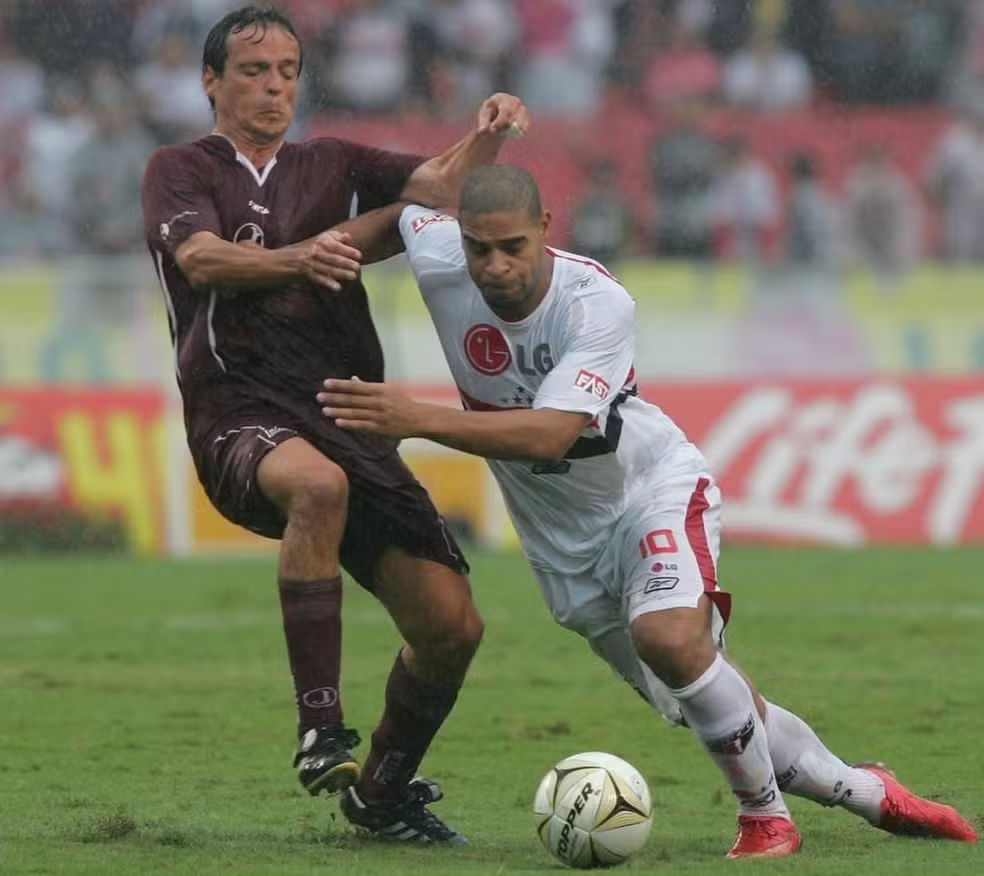
In 2008 we had a decent squad, but on a rainy afternoon — complete with a missed penalty and a goal scored by the opposing goalkeeper — we lost 3–1 to São Paulo and were relegated to the second division of the Paulista state league. We had been dreaming of the Libertadores; we woke up in the second tier of a state league. Reality crashed in.
At clubs like Corinthians or Palmeiras, soccer revenue funds the other sports and the social-club side of the operation. At Juventus, it's the opposite. The soccer department has always lost money, and rationally, it has never been any board's priority. We Juventus fans can be irrational, but the directors answer to dues-paying members — many of whom don't even care about soccer — and to them, the soccer department is a burden.
A new beginning?
As the great Eduardo Galeano wrote: "In his life, a man can change wives, political parties or religions, but he cannot change his favourite soccer team." In the eighteen years since that April 6th of 2008, I have moved homes eight times, changed cities five times, countries twice, gone through five companies, traveled to more than thirty countries, faced two divorces, and had two beautiful children.
The constant through all of that has been my insanity of following Juventus — even from afar — and holding on to the hope that the Moleque Travesso would have a fresh start. But I'll admit: eighteen years of disappointment dulled my expectations of any such fresh start. Every championship, every game, even while I rooted unconditionally, my rational self was already bracing for the inevitable.
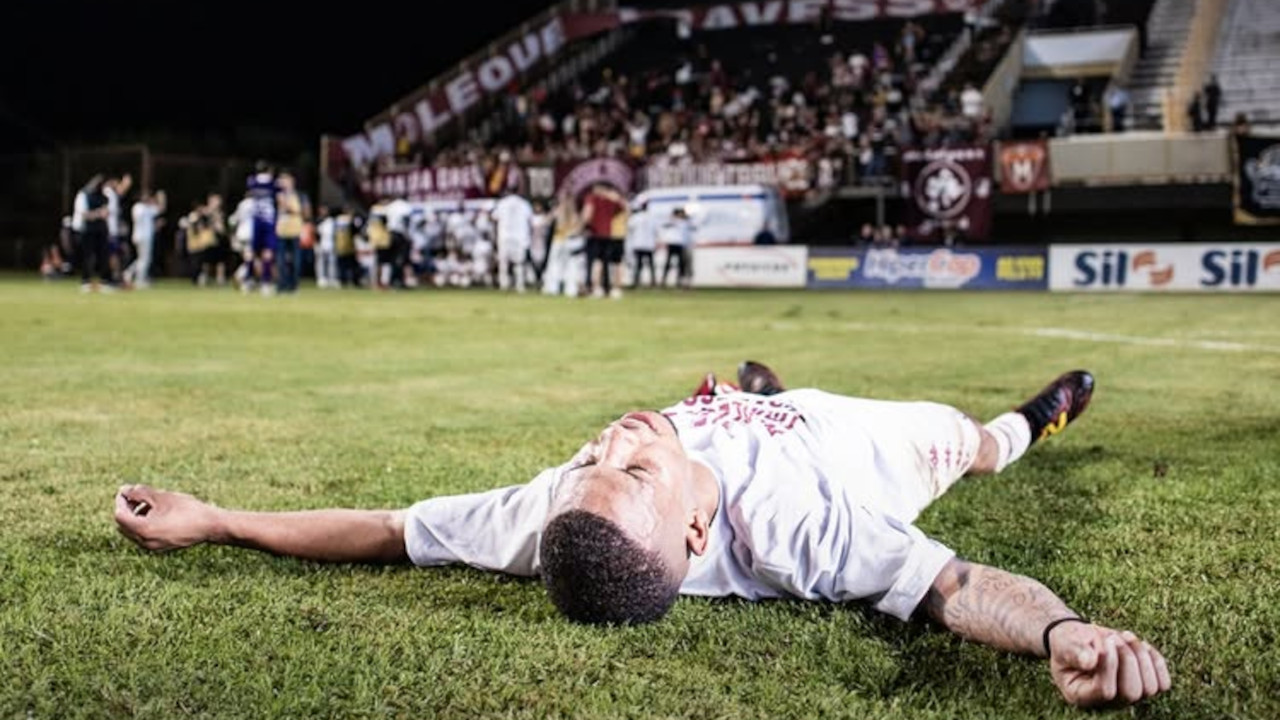
And so it was last night, April 28th, 2026. Juventus traveled to Votuporanga, a town in the interior of São Paulo state, for the second leg of the Paulista second-division semifinal — needing only a draw to clinch promotion. Living in Brasília, I had to follow the match on YouTube, holed up in my home office (so I wouldn't startle my family) with a mix of hope and dread. Over the years I've grown used to terrible Juventus matches, but yesterday wasn't one of them. A goal of ours would put it beyond doubt, and we had several clear chances — but it had to be drawn out, suffered for. Until the referee blew the final whistle, and for a few seconds I just sat there in disbelieving silence, slowly accepting that we had, finally, done it.
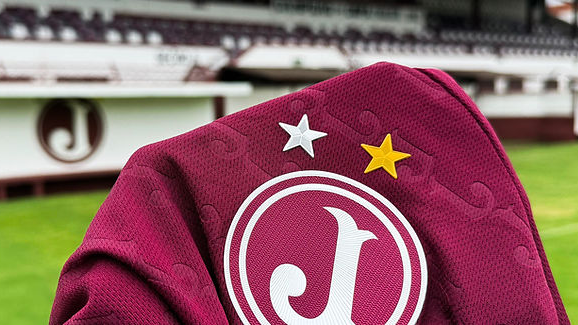
In 2027, Juventus will face Corinthians, Palmeiras, São Paulo, and Santos — the four giants of São Paulo football. Rationality tells me we'll probably be relegated again. But the hope is that this is the first year of soccer's renaissance in the Mooca.