Farewell to Oscar Schmidt, a Brazilian Legend
A personal farewell to Oscar Schmidt, the Brazilian basketball legend who shaped a generation of fans, and the fan I used to be.
Oscar Schmidt, the greatest Brazilian basketball player I ever saw on a court, passed away last Friday. I didn't expect it to hit me as hard as it did — hard enough that I felt compelled to try to make sense of the turbulent relationship I had with one of my childhood idols.
First, a disclaimer. My love for basketball bloomed in the 80s and, living in Brazil, the impact of NBA stars like Magic Johnson and Larry Bird was almost nil until the early 90s. To me, the great players from outside Brazil were the ones I saw at world championships, Pan American Games, and the Olympics. So Dražen Petrović and Arvydas Sabonis were my great references. For any Brazilian, they were the "villains" who denied medals to the national team led by Oscar Schmidt.
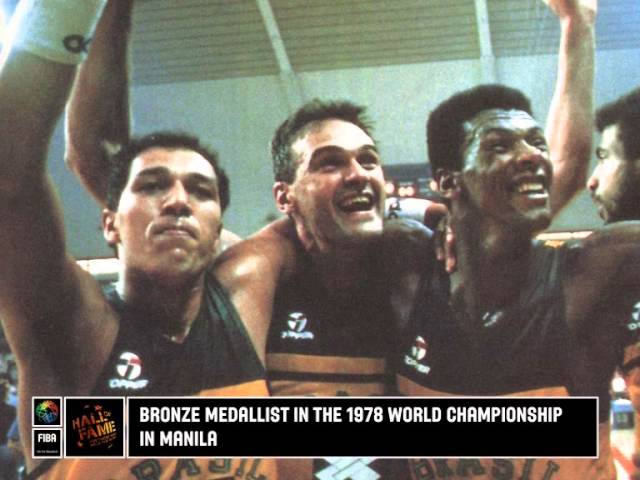
During that time, Brazil's men's basketball was always a medal hopeful, and Oscar the ultimate idol and hero of my entire generation — a generation that grew up watching Brazil compete in tournaments and lose them, whether in football, volleyball, or basketball itself. On the women's side, the 80s already had its own heroic duo, Hortência and Paula, and despite their brilliance, they didn't feel like a realistic shot at a title (spoiler alert: They won the Pan American Games in 1992, the World Cup in 1994 and a Silver medal in the 1996 Summer Olympics).
For years I watched dozens of games of a Brazilian squad packed with great players, but a squad that played to create chances for our sharpshooter to score point after point.
Many people, even in Brazil, criticized Oscar for being "just" a brilliant shooter. Tournament after tournament he was the top scorer, and Brazil came home without a medal. I joined those critics at the 1986 World Championship, when I watched Brazil lose the semifinal to a USA team featuring David Robinson and Muggsy Bogues, and then get run over by a Yugoslavia team led by my own idol, Dražen Petrovic.
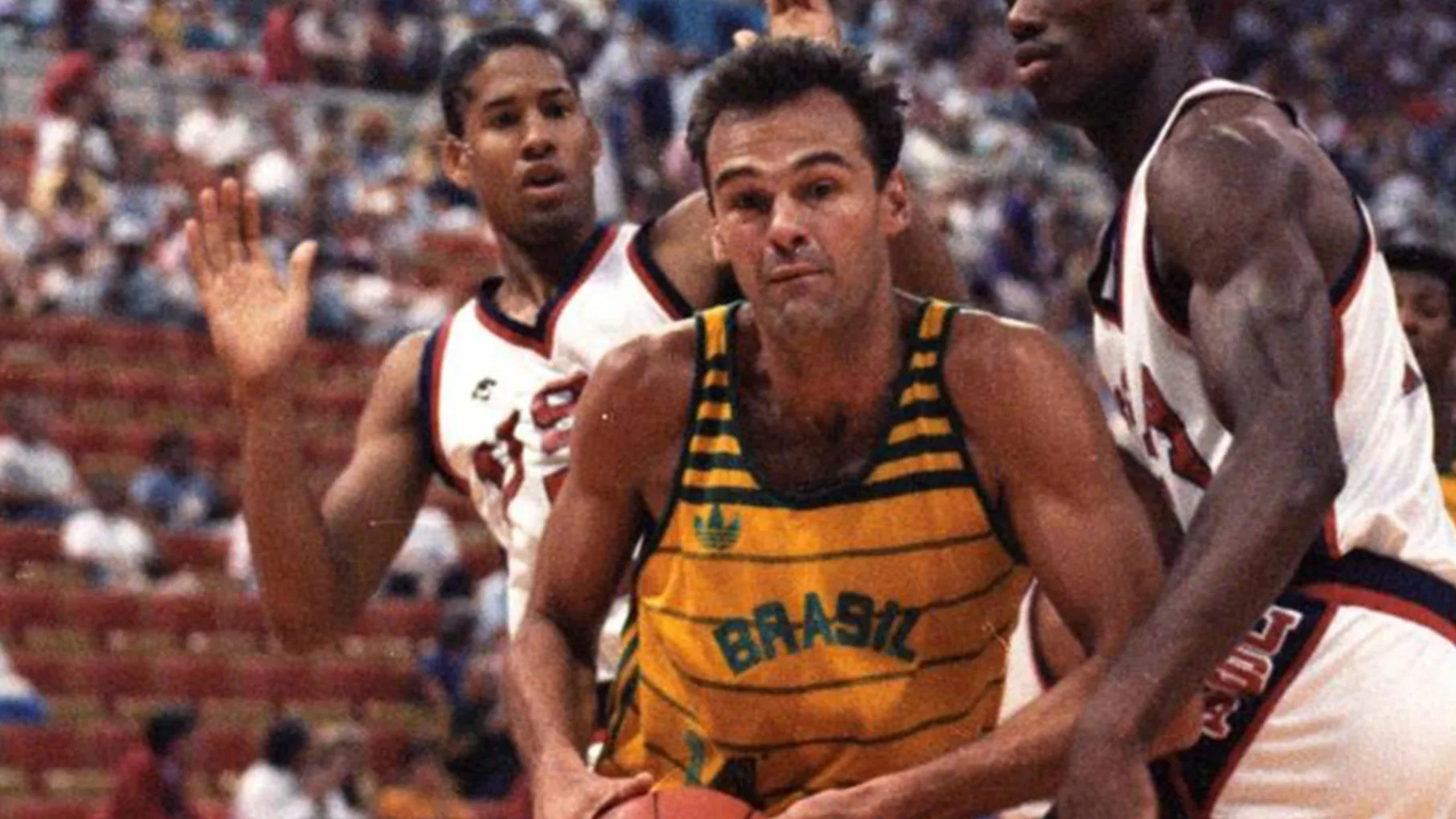
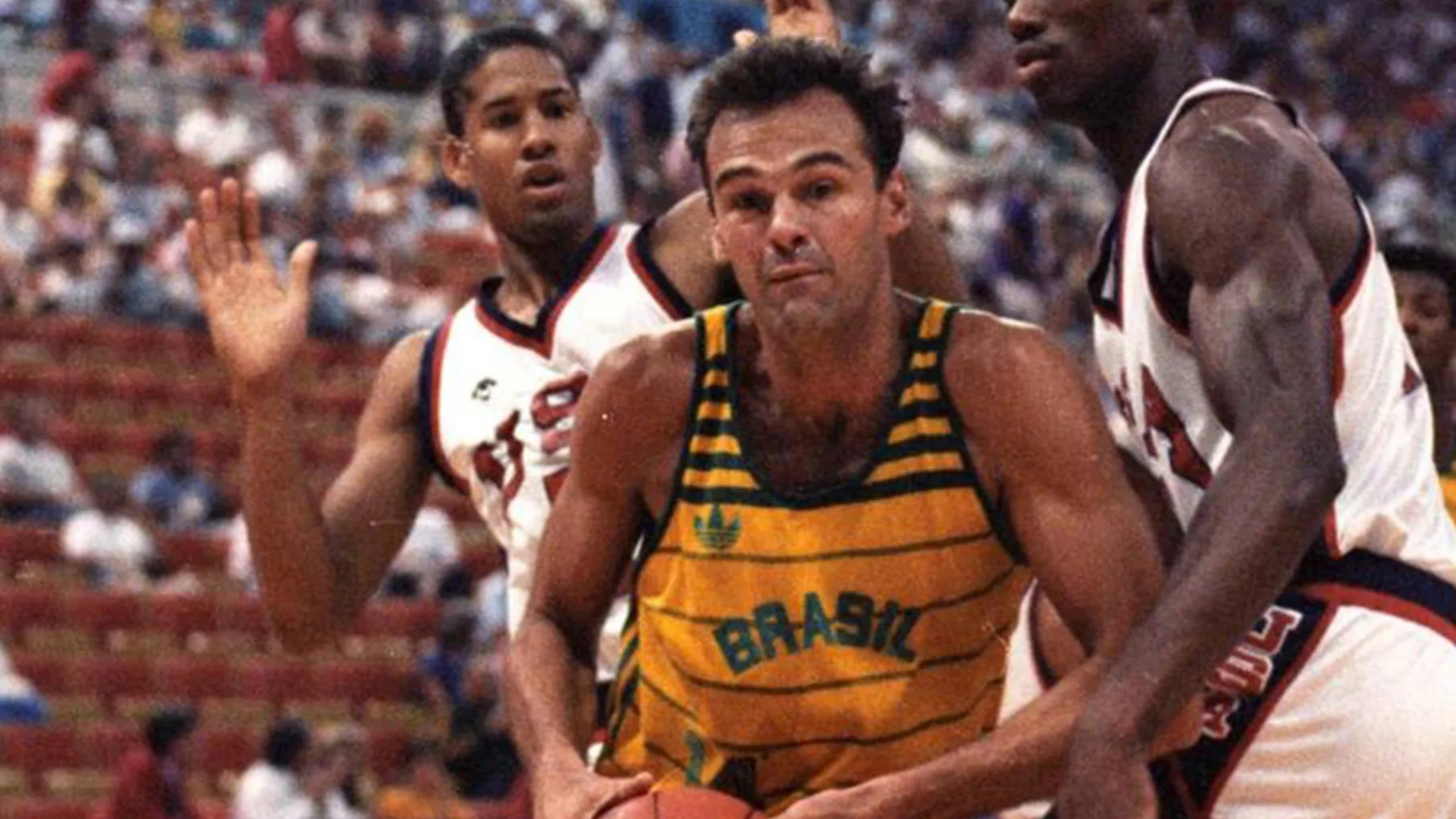
Everything changed in 1987, at the Pan American Games in Indianapolis. I'll skip the factual recap and stick to my memory: we could play like never before, but we'd lose like always. Except something different happened that day. A flawless second half (back when basketball was still played in two halves), absolute commitment from the whole team, and the improbable victory over the USA. It was the first time a USA national team was beaten at home. The first time they gave up more than 100 points. The Brazilian victory was so improbable that, as legend has it, the organizers didn't even have a tape of the Brazilian anthem in the gym — which stretched the celebration out even longer.
After a win like that, the sky was the limit, right? It wasn't. I'm not going to delve into the missed shot from the 1988 quarter-finals against the Soviet Union -- which he claimed to be the biggest regret of his entire career, but Oscar went back to being the lonely star and top scorer of a team that played well, that seemed destined for greatness, but that always fell short along the way.
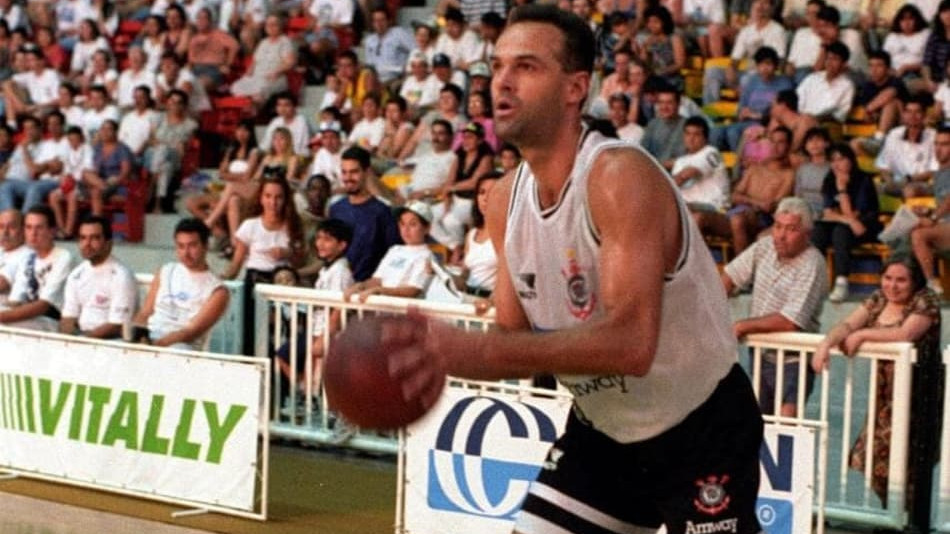
By 1995 we were already deep in the era of the NBA's global influence, so names like Jordan, Pippen, Shaq (and, for me, Toni Kukoc) were already idolized by Brazilians. And that's when Oscar came back to Brazil, to play for my Corinthians. Watching his grit, his commitment, and his emotion as he led Corinthians to a long-overdue national title — and a South American runner-up finish — made me "forget" the conflicted relationship I'd carried with him from the national-team years.
When I built my first website, on Geocities, I had a page about my basketball idols, Drazen and Oscar. That page earned me an autographed photo from Oscar (which I have no idea what happened to, by the way), because Rato, who was playing with Oscar at the time, stumbled on my site and reached out.
The truth is that "the shooter" Oscar was bigger than life. I remember, years ago, meeting Dražen's mother in Zagreb — and the moment I mentioned I was from Brazil, she immediately brought up the on-court rivalry and the mutual admiration between Oscar and Dražen.
I obviously expected the clubs he played for to issue condolences, but seeing Real Madrid and Zalgiris Kaunas — clubs that were Oscar's rivals during his European years — mourn his untimely death was the sign of just how great and how influential our Mão Santa (Holy Hand) was to the sport.
I'm grateful that, even if only for two years, I got to follow him up close and celebrate every shot he took for Corinthians.
Thank you, life, for giving me those moments.
A bit more about him
Videos