Plone Governance: Staying Open in a World of Corporate Control
When I started working with technology in the 1990s, many decision-makers looked down on free/open source solutions, arguing that they lacked credibility and were not “enterprise” enough for serious companies — a real argument, made by a well-known Brazilian CIO in 1999.
Today, the discussion is no longer about robustness — Linux, Kubernetes, and Python have long settled that debate — but rather about which governance models are best suited to keep projects healthy over time.
Company-controlled projects
In a world that values, rewards, and idolizes economic success, it is only natural that some of the most successful and widely adopted open source projects are funded and controlled — directly or indirectly — by companies.
Technologies such as Ruby on Rails, React, and Angular do not generate direct revenue for the companies that “control” them. Instead, they serve as internal technological foundations, as well as powerful instruments of soft power and highly effective recruitment channels.
On the other hand, projects like Varnish, Elasticsearch, Keycloak, Docker, and Portainer are closely tied to for-profit organizations and are explicit revenue sources — whether through licenses or through the sale of services such as training, consulting, and support.
In some cases, there is even a non-profit entity managing the open source side of the project, while real control remains firmly in the hands of the company that “owns” it.
In both scenarios, controlling companies invest heavily in documentation, developer relations teams, marketing budgets, and — most importantly — roadmaps aligned with their business interests and revenue streams. It is no coincidence that, in the content management space, WordPress and Drupal are such widely recognized names.
Free projects: the giants
It is also worth mentioning large free software projects — such as Python, Kubernetes, and Linux — which are maintained under the umbrella of non-profit foundations, with democratically elected boards that are often populated by employees of large corporations.
Even when these representatives act in good faith and by personal choice, it is only natural that they — often unconsciously — bring along the perspectives, priorities, and demands of their employers. Over time, this can influence and gradually shape the future of these projects.
The Plone way
And then there is the Plone community.
A community that has a project — in fact, several — to call its own. A community that created a foundation to provide the legal and financial support needed to exist and thrive in the long term. A community that learned, firsthand, from the shortcomings of an open source model controlled by a commercial company — in this case, Zope.
As a safeguard against the scenario of “a company controlling Plone,” the Plone Foundation has, since its inception, held one objective as central to its mission:
Ensure that, as Plone grows, it remains a level playing field.”
This is the guarantee that Plone will always be a safe and fair bet for any company or individual who chooses to participate in our community.
Decisions about software development, marketing, and branding are made in an open and democratic manner, ensuring accountability and giving every community member a voice. While many of these discussions happen online, real progress most often takes place during in-person sprints — always with remote participation — which reinforce the collaborative values we deeply cherish.
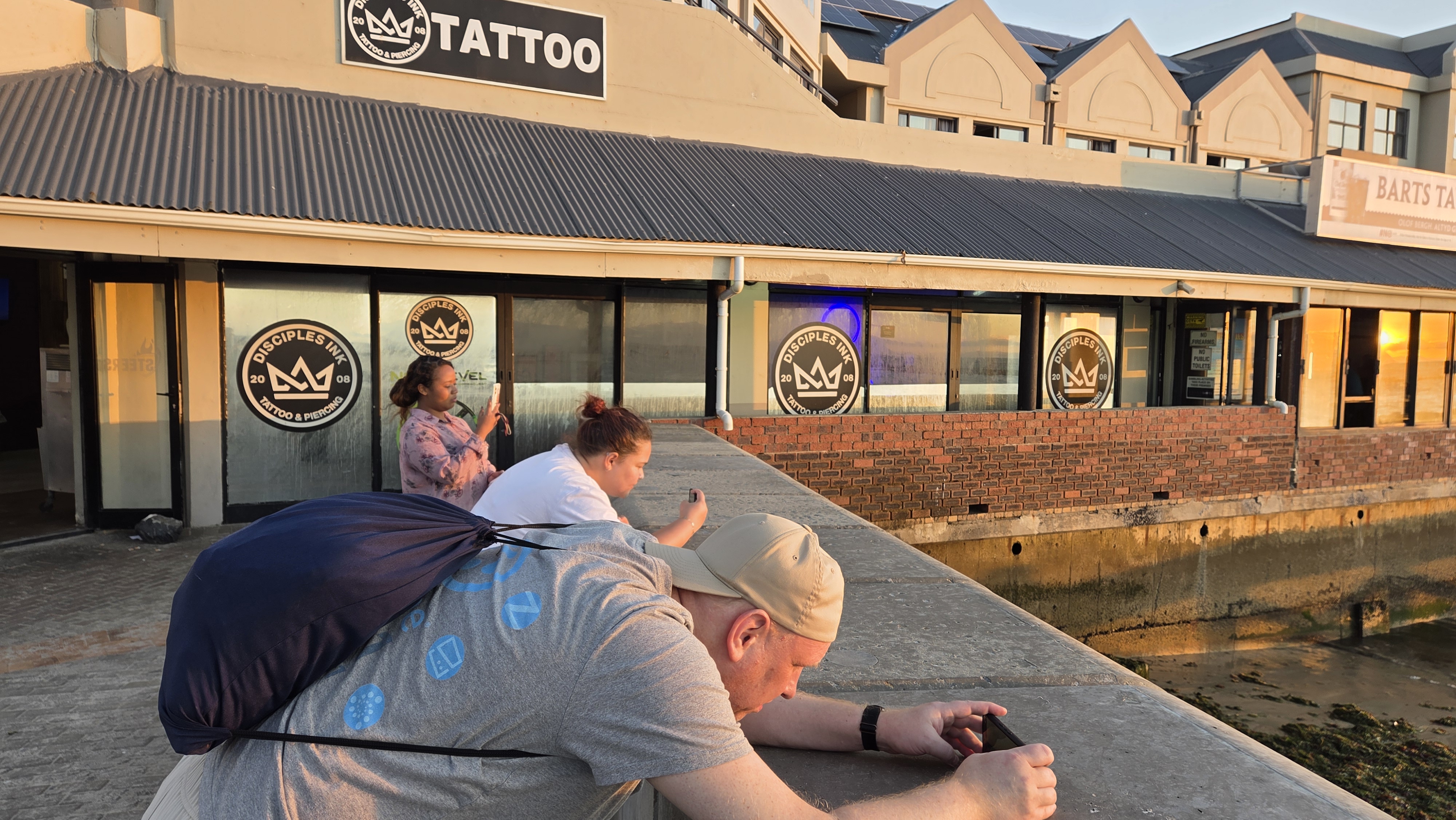
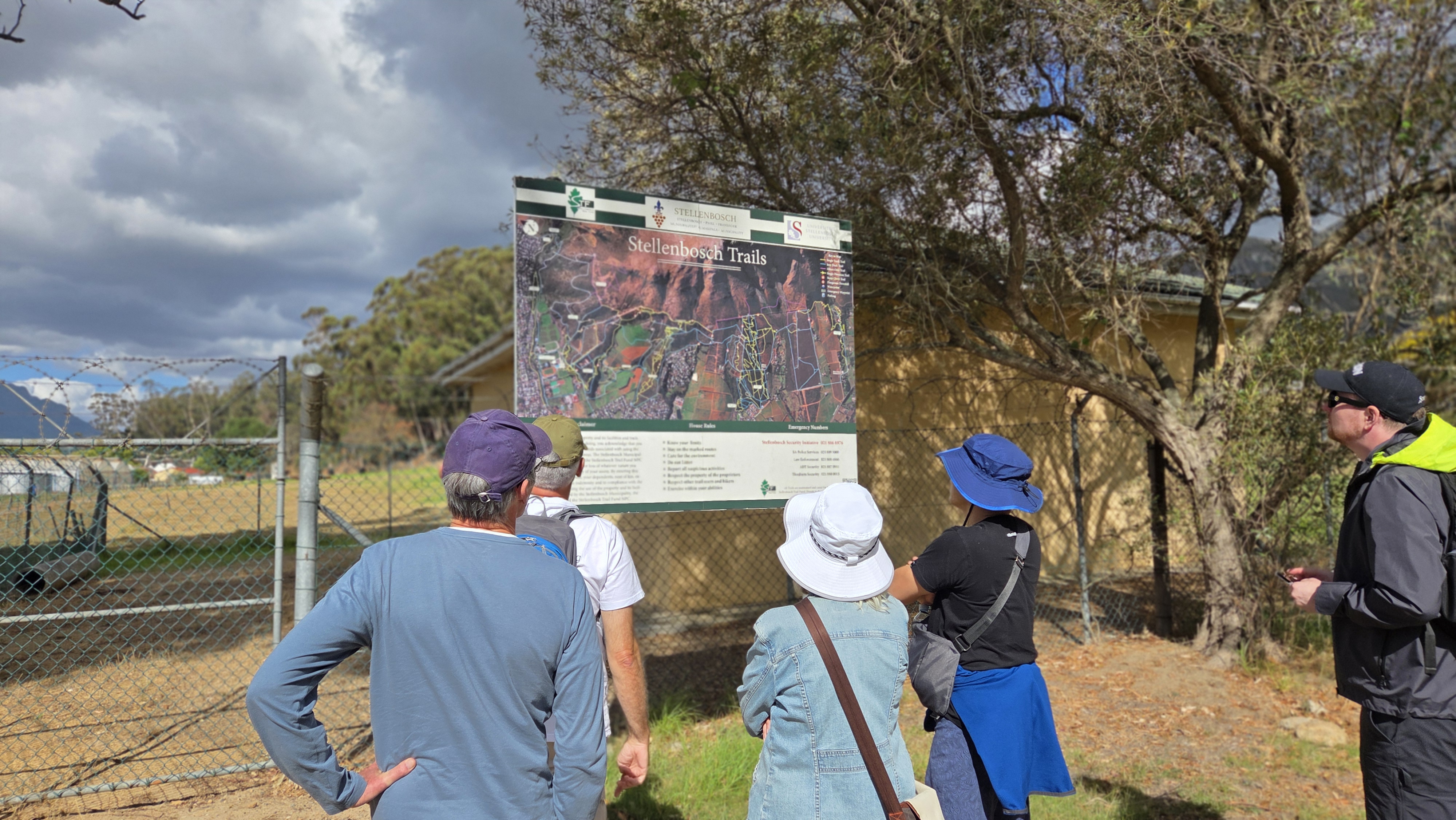
Between January 16 and 19, I was in Stellenbosch, South Africa, participating in one of these sprints, focused on shaping a cohesive message to guide our marketing efforts. More than that, the sprint helped us clearly articulate our guiding principle: we welcome contributions from everyone, and Plone is — and will always remain — open.
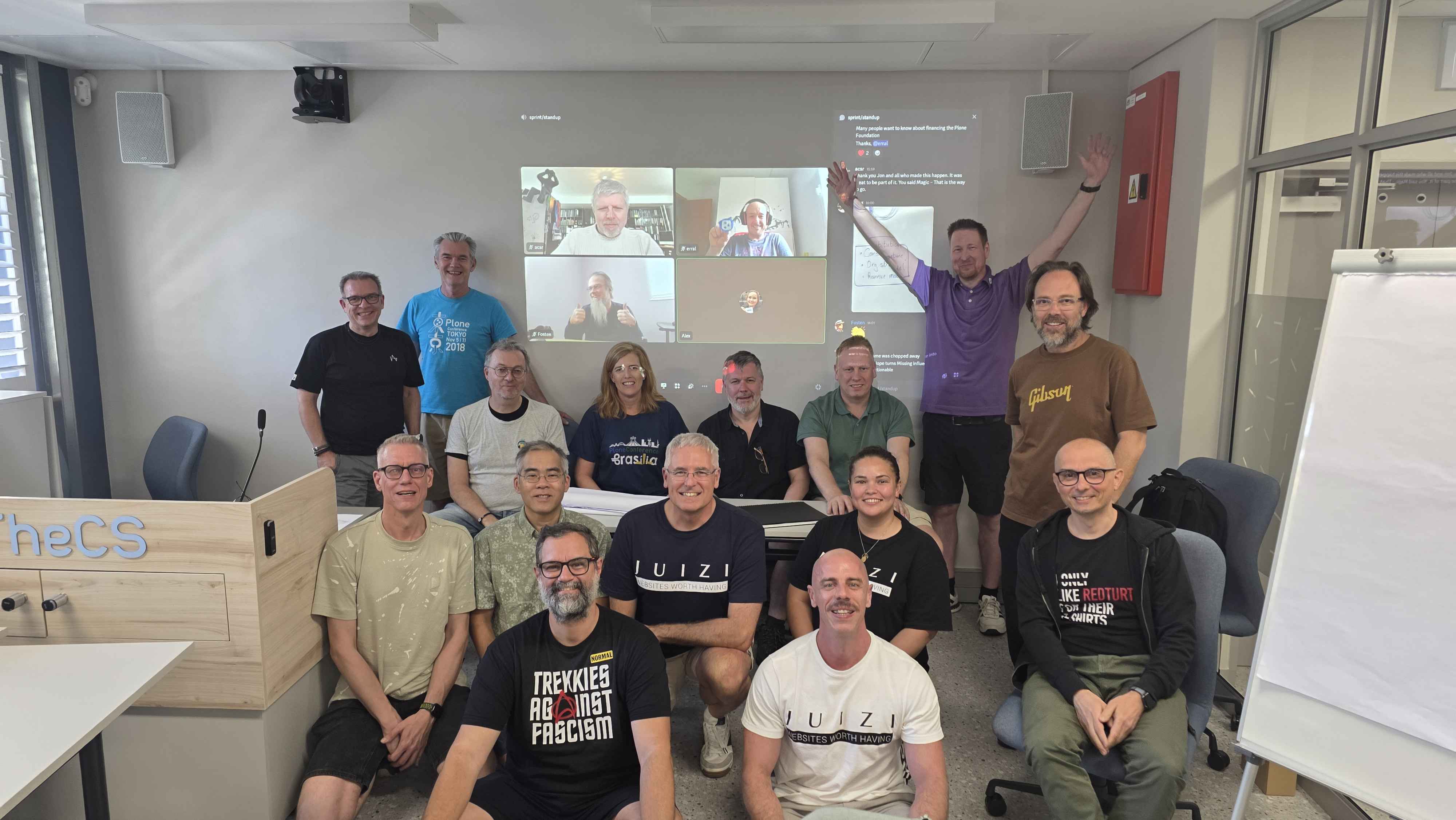
For more than 20 years, the Plone community has delivered high-quality software, continuously adapting to technological and market changes without compromising its democratic nature. This proves that there is, indeed, a path beyond technofeudalism or corporate guardianship.
Plone is open.
And it will remain so.