
Heading to Bonn: Beethoven Sprint 2026 and the sprints we are missing
On a train to Bonn for Beethoven Sprint 2026: Plone Seven, cookieplone 2.0, and a quiet plea for smaller, regional sprints.
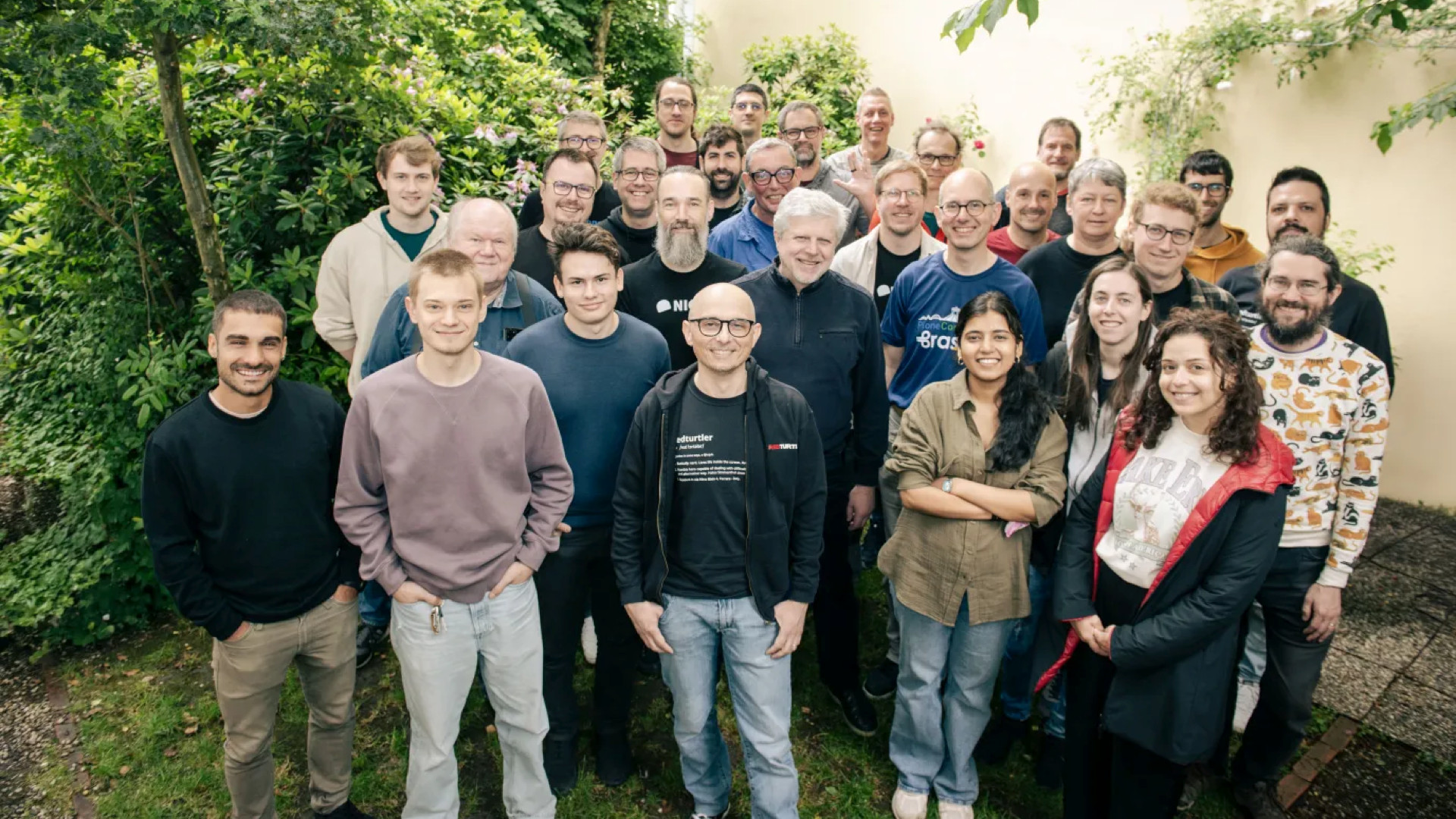
It is late afternoon and I am on a train -- approaching Brussels -- heading to Bonn. Tomorrow is the first day of the Beethoven Sprint 2026, and as has been the case every spring since 2017, kitconcept is hosting what has become one of the most strategically important moments in the Plone calendar.
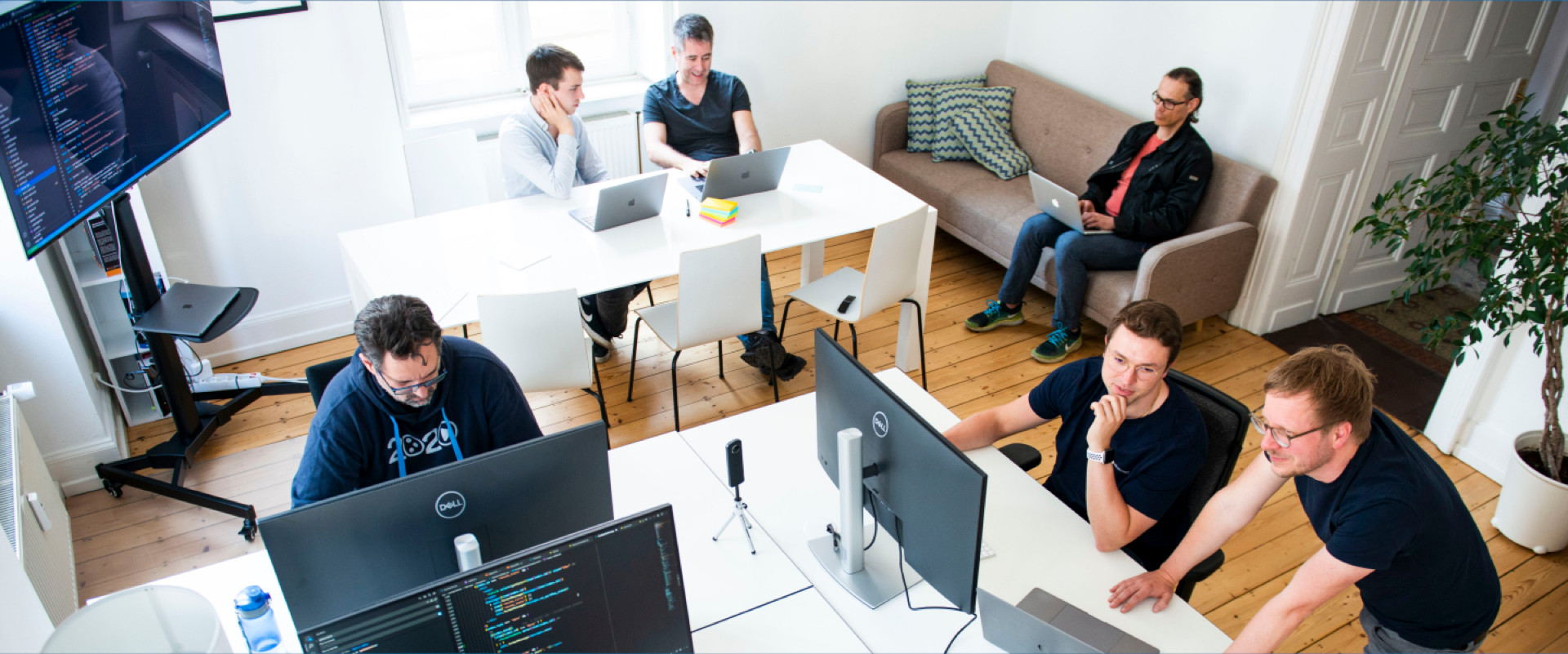
This year feels different. Not because of the city — Bonn in May is always geeky — but because of where Plone itself is right now. The community has momentum it has not had in years, and this particular sprint sits at the intersection of several things we have been building toward for a while.
But first, what is a sprint?
If you have never been to one, the word can be confusing. In the Plone, Zope and broader Python world a sprint is a multi-day, in-person gathering where contributors work together on a focused set of topics. It is part conference, part hackathon, part family reunion.
The concept itself was born in the Zope community in early 2000, when Jim Fulton invited a small group to sit in a room and bash out a piece of code together. The format stuck, and twenty-five years later it is still the way our community does its best work. The Python community itself eventually adopted the term — every PyCon has a sprint room — but Plone has always taken sprints particularly seriously.
A sprint can be as small as three friends around a kitchen table or as big as the Plone Conference sprint, with sixty contributors in one room. What stays constant is the formula: real focus, people, and the kind of conversations that simply do not happen on Discord.
Why Beethoven Sprint matters
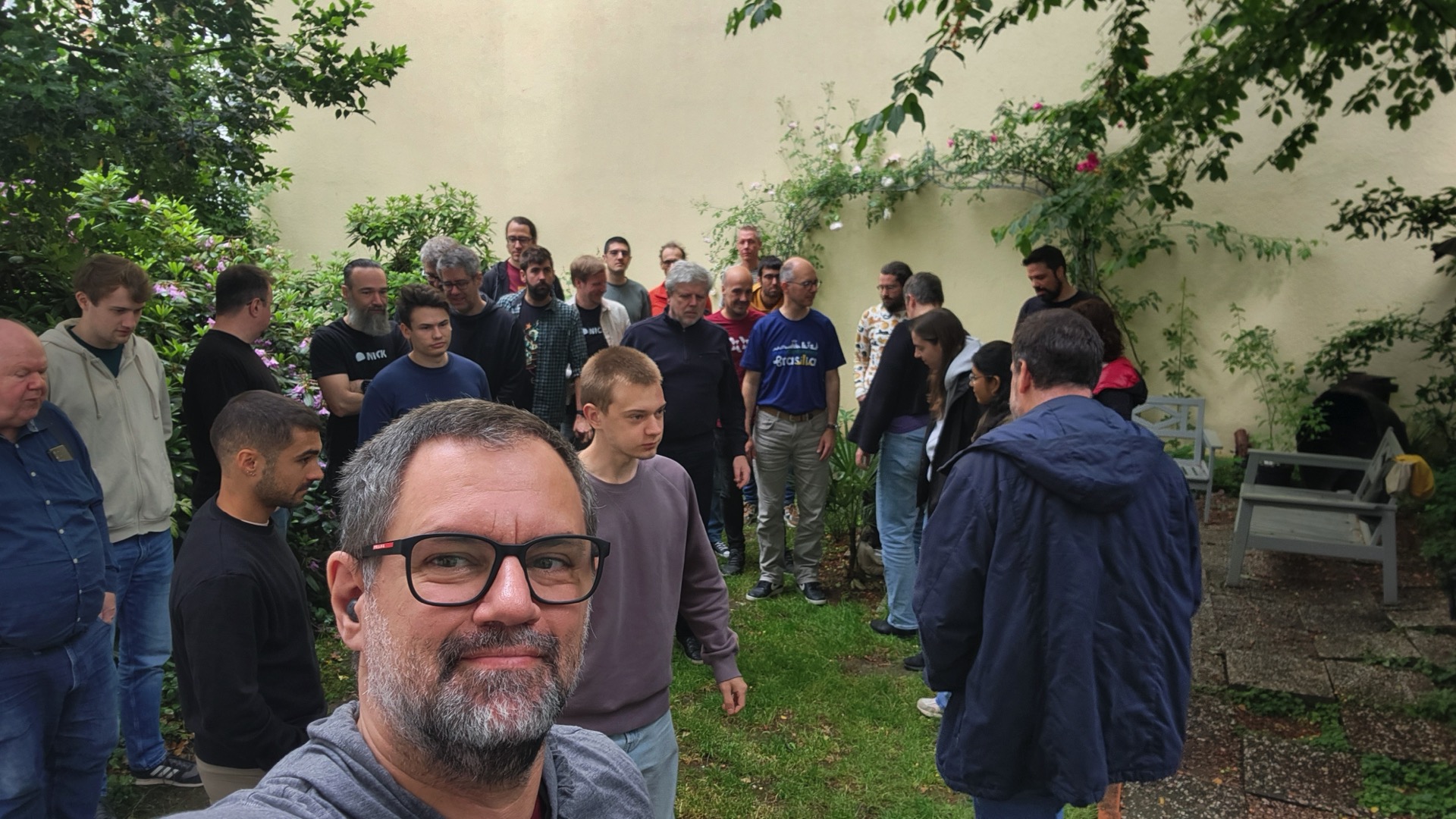
Beethoven is probably the biggest strategic sprint of the year. It is open for everyone in the community, with kitconcept covering logistics and a good chunk of the costs, and the goal is to bring together the people actively shaping the next iteration of Plone.
This edition is no exception. We are expecting around 30 attendees, including all three release managers — Maurits van Rees, Victor Fernández de Alba, and Timo Stollenwerk — the Volto team leader, Piero Nicolli, and three members of the Marketing team: Rikupekka Oksanen, Armin Stross-Radschinski, and Stefano Marchetti. That kind of concentration is rare, and it is exactly what is needed for the conversations we have ahead of us.

The big topic: Plone Seven
The first reason this sprint matters is Plone Seven, the codename for the next major iteration of Plone. Seven is already Victor's and Piero's main focus, and the early results are very promising.
The headline change is on the frontend. We are moving the main blocks editor from pure Slate to PlateJS, which gives Volto a much richer foundation for the editing experience without us having to maintain so much custom code. Alongside that, we are updating all the major dependencies — the kind of work that is unglamorous but absolutely necessary if Volto is to remain a healthy modern frontend — and, just as importantly, we are designing a migration path so existing Volto projects and add-ons can move to Seven without rewriting everything from scratch.
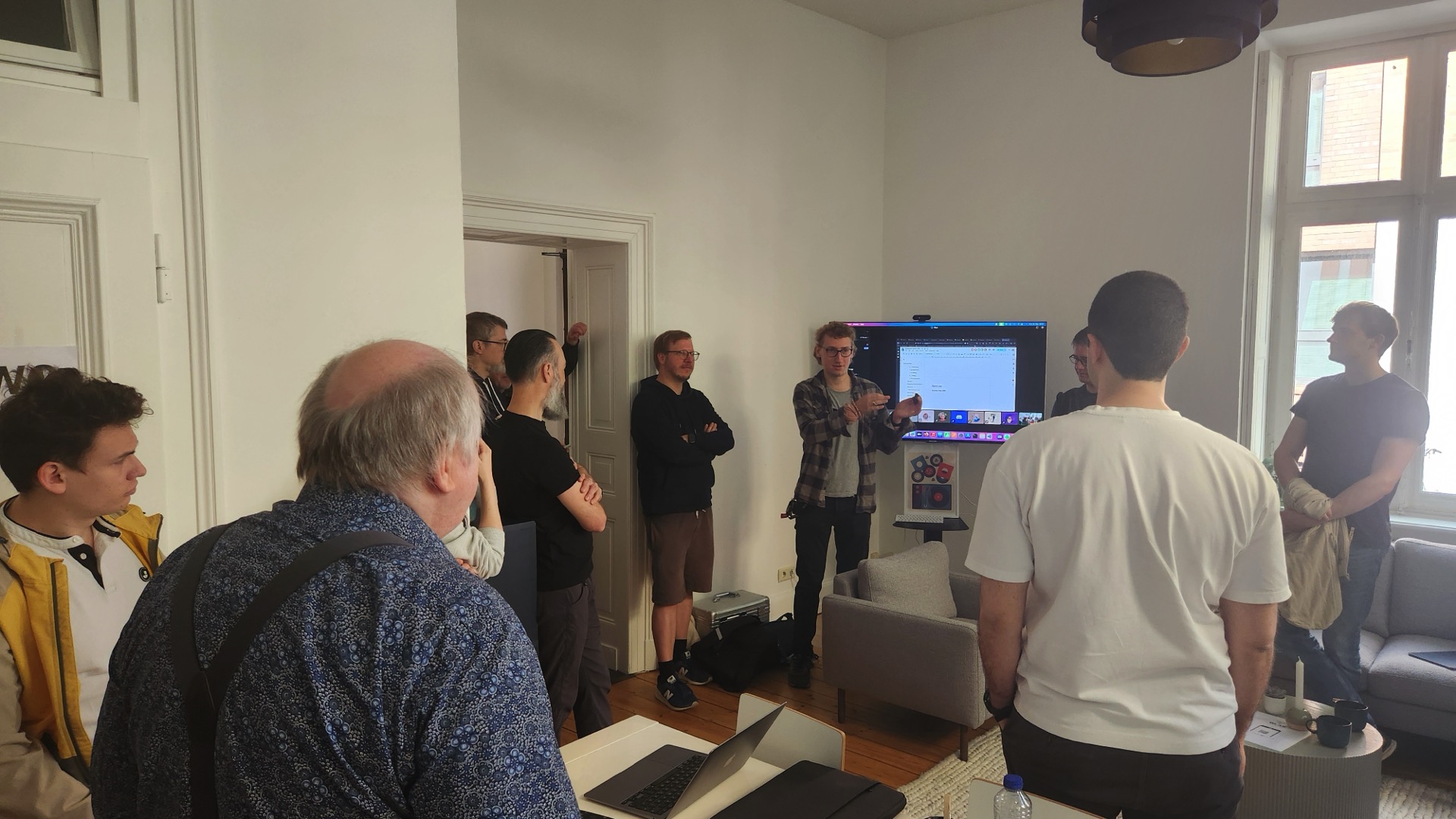
That last point is the one I want to underline. Plone Seven is ambitious, but it is being built with full awareness that there is a large existing ecosystem of Volto projects in production. The migration story is not an afterthought; it is part of the design.
The other big topic: stability
The second reason this sprint matters is that, in parallel with all the Seven excitement, my colleague and good friend David Glick will be focused on the current Volto release: updating dependencies, polishing documentation, and making sure the platform people are running today stays in great shape.
That distinction is important. When a new major version is on the horizon it is easy to forget the one already in production. David's work is a clear message to integrators and customers: stability is not optional, and the team building the future is also taking care of the present.
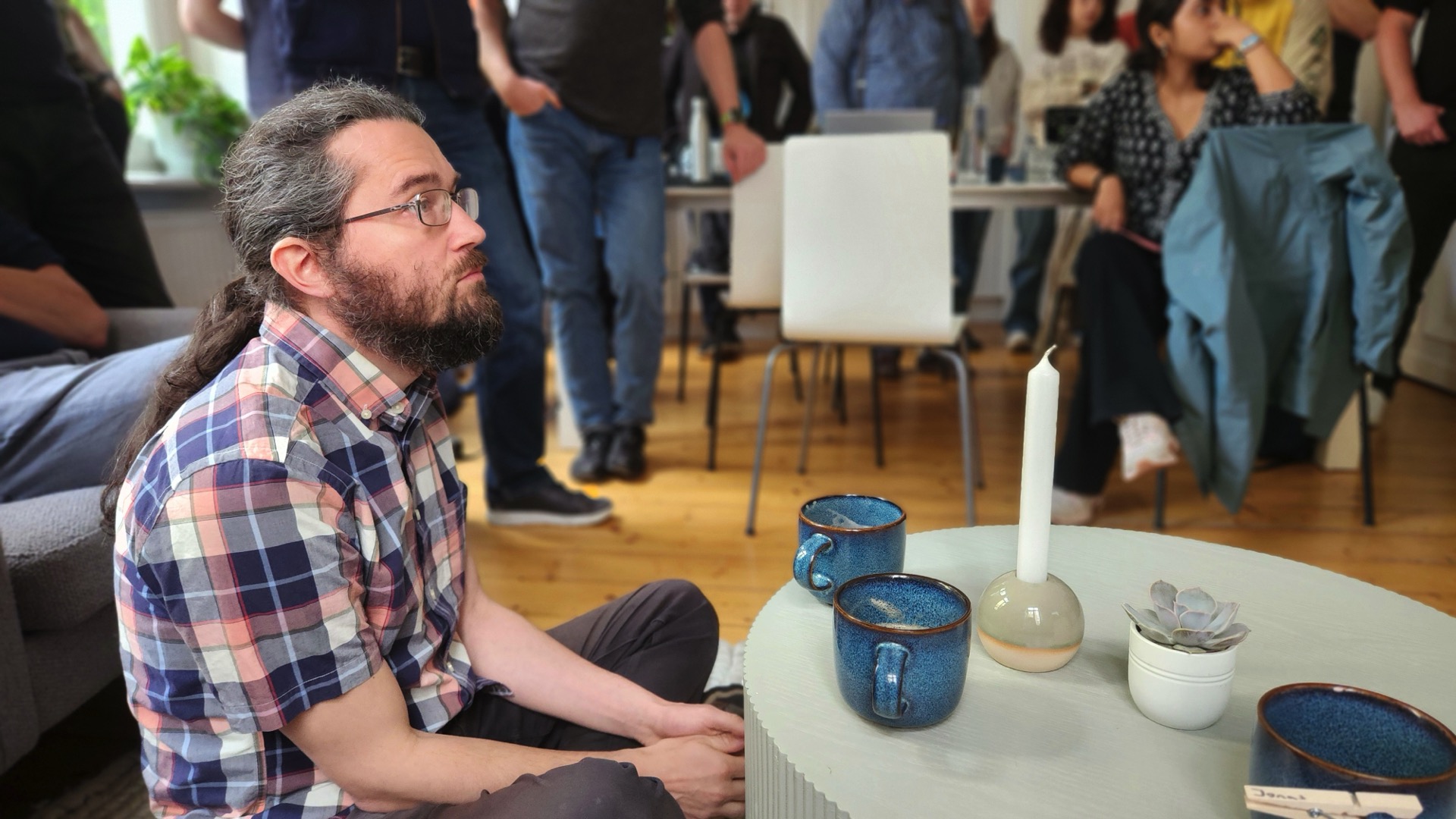
Also, probably during the sprint, we will have the final release of Plone 6.2, that ships Volto 19 making the stability part of our story even more clear.
My personal goals for the week
Sprints work best when each attendee has a clear plan, so here is mine.
Cookieplone 2.0. During the Bucharest Sprint earlier this year I committed to releasing cookieplone 2.0 at Beethoven, and that is my main goal for the week. From the original plan, the only feature still missing is repository inheritance — the mechanism that will allow organisations to apply their own "spices" on top of the official templates. I am very much looking forward to sitting down with Alin Voinea (Eau de Web) and Mikel Larreategi (Code Syntax) and shaping a solution that actually fits their use cases.
repoplone. A secondary topic is writing proper documentation for reploplone, a CLI tool originally built to manage Plone monorepo codebases. I also want to extend it so it can handle backend-only projects and individual add-ons, not just the full monorepo case.
Community Recognition. The third topic on my list is less about code and more about people: continuing the Community Recognition initiative led by Mikel Larreategi. This is a subject very close to my heart — it would allow the wider community to formally recognise the silent heroes of Plone, the people who keep things running without ever asking for the spotlight. During the Bucharest Sprint I spent a few hours exploring how the proposed points system would look applied to Brazilian organisations like Interlegis (Senado Federal), Serpro and Simples Consultoria, and the results were genuinely interesting. There is a real, useful conversation to be had here.
A reflection: the sprints we are missing
For as long as I have been involved with Plone, sprints have been the catalysts of innovation in our community. We are a worldwide, 24x7, online community, and yet it is these in-person moments that turn good ideas into shipped code. And honestly, it is not even the coding part that matters most — it is the human aspect. The conversations over a beer, a coffee, or a tea, where we figure out what to do next together.
By that measure, 2026 is shaping up to be a great year. We have already had two strategic sprints — Stellenbosch and Bucharest — Beethoven starts tomorrow, Buschenschank follows immediately after, and the second half of the year has Salamina, Axolote and (very likely) Cerrado Sprint on the calendar. That is real momentum.
But here is the part I keep coming back to: I think we are missing something.
A few years ago it was normal for any sufficiently active region to run small, regional sprints — fewer than ten people, one or two days, often hosted in someone's office, frequently with one or two newcomers in the room. Those sprints almost never made the headlines, but they were where new contributors were nurtured. They were the on-ramp into the rest of the community.
They have largely disappeared. The big strategic sprints are wonderful and we should keep them, but if we want the community to grow we also need to bring back the small ones. We need the regional sprint in a co-working space on a Saturday afternoon, with pizza, three regulars, and two curious newcomers. That is where the next generation of Plone contributors will come from.
If you are reading this and you have ever thought about organising a sprint where you live — even a tiny one — please do. Pick a date. Invite three people. Make some noise about it. The community will show up.